「私ってそんな印象なんだ。」ワークショップで見えたこと
 Tokiko Shima
Click here for the English version
先日、渚ノヱンカフェで「知りたい、私の第一印象」というワークショップを開催しました。
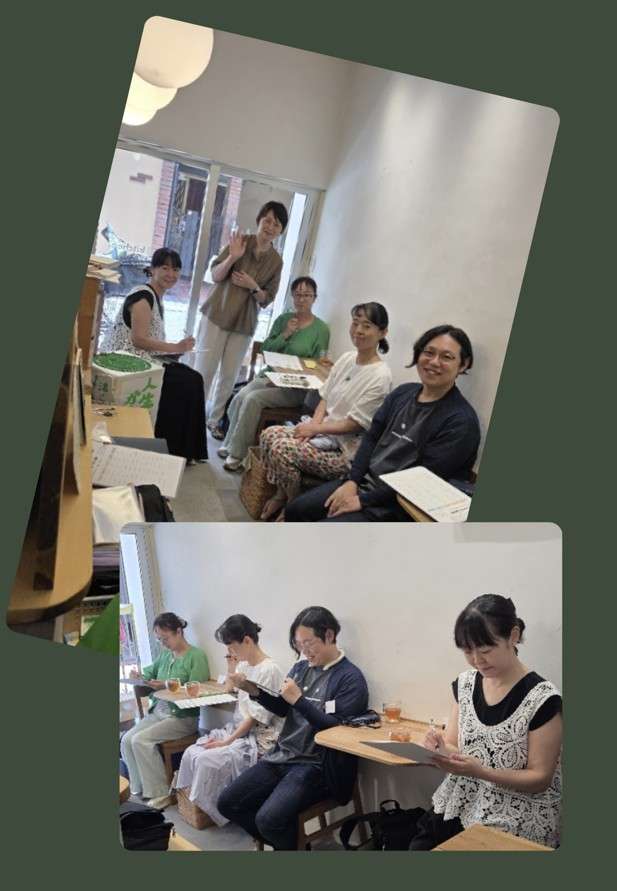
このワークショップでは、まず印象ワードのシートを見ながら、
「私は、自分のことをどんな印象だと思っているんだろう?」
「本当は、どんなふうに見られたいんだろう?」
そんなことを考えて、気になる言葉を選んでいただきます。
このワークは、自分の良いところや、相手の第一印象の中にある素敵なところを見つけるワークです。
第一印象って、ときには少しネガティブな言葉で捉えてしまうこともありますよね。
でも、見方を変えると、その印象の中にもその人の良さが隠れていることがあります。
たとえば「オタクっぽい」と感じても、別の見方をすれば、「好きなことに熱中できる」「ひとつのことを深く知っている」「専門性がある」とも言えます。
そんなふうに少し視点を変えてみると、相手の見え方も変わってくると思うんです。
だからこのワークでは、相手の良いところに目を向けられるよう、印象ワードもポジティブな言葉を中心にしています。
その後は参加者同士で、お互いの第一印象に合う言葉を選び合いました。
選ぶ言葉の数に決まりはなく、「これも当てはまる」「こちらの印象もある」と感じた言葉を、いくつ選んでもOKです。
今回は5名での開催だったので、お一人につき4人から第一印象を選んでもらいました。
面白かったのは、4人全員が同じ印象を選んだ方が一人もいなかったこと。
「優しそう」と感じる人もいれば、「知的な印象」と感じる人もいる。
同じ人を見ても、人によって受ける印象は少しずつ違います。
第一印象には、ひとつの正解があるわけではありません。
その人が持っているさまざまな魅力を、周りの人がそれぞれ違う角度から感じ取っているのだと思います。
自分が思っている自分の印象と、ほかの人から見えている印象。
比べてみると、同じところもあれば、意外な違いもあります。
「自分ではそんなふうに思っていなかった」
「私って、そんな印象なんですね」
そんな発見があるのも、このワークショップの面白いところです。
自分では気づいていなかった魅力を、周りの人は自然に感じ取っていることもあります。
自分のことは、意外と自分がいちばん見えていなかったりするんですよね。
ワークショップの後半では、ベーシックカラーのドレープを使って、色によって印象がどう変わるのかを皆さんで見比べました。
ネイビーやベージュなど、普段の洋服にも取り入れやすい色が中心です。
今回は、同じネイビーでも少しずつ色みの違う4種類のドレープを見比べてみました。
「ネイビーはネイビーで、そんなに違いはないのでは?」
そう思う方もいるかもしれません。
でも、実際に顔の近くに当ててみると、印象は少しずつ変わります。
顔が明るく見えるネイビー。
落ち着いて見えるネイビー。
やわらかく、親しみやすく見えるネイビー。
少しシャープで、しっかりした印象に見えるネイビー。
参加者の皆さんからも、
「私はこっちのネイビーが似合うと思う」
「こちらのほうが顔が明るく見える」
「この色のほうが、その人らしい感じがする」
と、自然にいろいろな意見が出てきました。
色について専門的に学んでいなくても、実際に見比べてみると、皆さんちゃんと違いを感じ取っているんです。
面白いのは、ドレープを当てているご本人よりも、周りで見ている方のほうが違いに気づきやすいことがあるんです。
鏡を見ている本人は、どうしても細かいところが気になったり、自分の顔を近くで見てしまったりします。
一方で、少し離れたところから見ている人には、顔全体の印象や色による変化がよく見えることがあります。
「こっちのほうが顔色が明るく見える」
「その色のほうが、その人らしい」
そんな声が自然と聞こえてきます。
お友達同士でパーソナルカラー診断を受けると、お互いの変化を見比べられるので、それもまた楽しいですよ。
もちろん、全員の意見がいつも同じになるわけではありません。
でも、それも面白いところ。
どの部分を魅力的だと感じるか、どんな印象を素敵だと思うかは、人によって少しずつ違います。
だからこそ、「似合う色はこれです」と答えだけを受け取るよりも、実際に見比べながら、自分はどんな違いを感じるのかを知ることが大切なのだと思います。
同じネイビー、同じベージュ、同じグレーでも、色はひとつではありません。
少し明るい。
少し暗い。
黄みがある。
青みがある。
やわらかい。
はっきりしている。
その少しの違いによって、見える印象も変わります。
「私は、こちらの雰囲気が好き」
「こんなふうに見せたい」
「この色を当てたときの自分が、なんだかいいな」
そんな感覚も、色を選ぶうえではとても大切です。
ワークショップのあとは、渚ノヱンカフェのおいしいランチをいただきました。
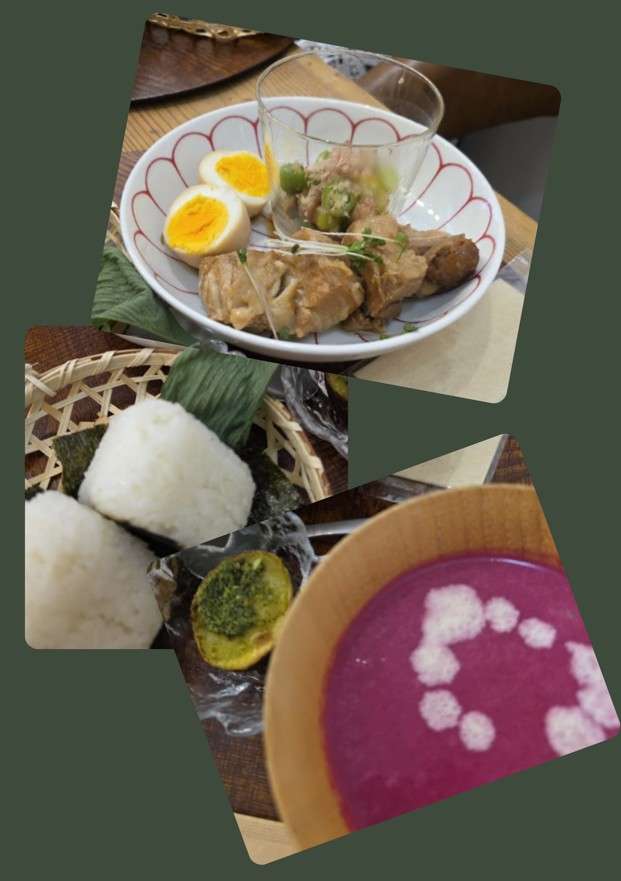
枚方の農家さんから届く新鮮な野菜がたっぷり使われた、私もおすすめのランチです。
ワークショップ中とはまた少し違う、ゆったりした雰囲気のなかで、皆さんとお話ししながら食事を楽しめたのも嬉しい時間でした。
色や印象について考えたあとに、おいしいランチを囲んで交流する。
そこまで含めて、今回のワークショップらしい時間になったように思います。
今回のワークショップでは、自分が思っている自分の印象と、ほかの人から見えている印象を知ること。
そして、色によって印象が変わっていくこと。
その両方を、皆さんと一緒に楽しく見ることができました。
診断結果を覚えることよりも、自分の目で違いを見て感じられるようになること。
その積み重ねが、自分らしい色選びにつながっていくのだと思います。
“Oh, So That’s the Impression I Give.” What We Discovered in the Workshop
Recently, I held a workshop at Nagisa No En Café called “I Want to Know My First Impression.”
We began by looking at a sheet of impression words and thinking about questions such as:
“How do I think I come across to other people?”
“How would I like to be seen?”
The participants then chose the words that stood out to them.
This workshop is about noticing the positive qualities in ourselves and in the first impressions we have of others.
Sometimes our first impression of someone can come to mind in slightly negative terms.
But if we look at it from a different perspective, there may be something positive behind that impression.
For example, you might initially think someone seems a bit “geeky.” But looked at another way, that same person might be someone who is passionate about what they love, knows a subject in great depth, or has real expertise in a particular area.
Sometimes just shifting our perspective a little can change the way we see someone.
That’s why the impression words we use in this workshop are all positive—they help us focus on the good qualities we see in each other.
After that, everyone selected words that matched their first impression of the other participants.
There was no limit to how many words they could choose. If they felt, “This one fits too,” or “I can see this side of her as well,” they could select as many as they liked.
There were five participants, so each person received first-impression words from the other four people.
What was interesting was that not one person received the same impression word from all four people.
One person might see someone as kind, while another might see her as intellectual.
Even when looking at the same person, the impression we receive can be slightly different.
There is not just one correct answer when it comes to first impressions.
I think people notice the different qualities someone has from their own individual perspectives.
There is the impression we have of ourselves, and then there is the impression other people have of us.
When we compare the two, some things match, while others can be surprisingly different.
“I never thought of myself that way.”
“So that’s the impression I give?”
Those discoveries are part of what makes this workshop so interesting.
Sometimes other people naturally notice qualities in us that we haven’t recognised ourselves.
We are often the least objective when it comes to seeing ourselves.
In the second half of the workshop, we used drapes in basic wardrobe colours and looked together at how the impression changed with each colour.
We focused mainly on colours that are easy to wear in everyday clothing, such as navy and beige.
This time, we compared four slightly different shades of navy.
You might think:
“Navy is navy. Can there really be that much difference?”
But when each colour is placed near the face, the impression begins to change.
One navy makes the face look brighter.
One creates a calmer impression.
One looks softer and more approachable.
Another looks slightly sharper and more composed.
The participants naturally started sharing their thoughts.
“I think this navy suits you better.”
“Your face looks brighter in this one.”
“This colour feels more like you.”
Even without any specialist knowledge of colour, people can notice the differences when they compare the drapes side by side.
Another interesting thing is that the people watching sometimes notice the differences more easily than the person trying the drapes.
When we look at ourselves in the mirror, we can become focused on small details or look too closely at our own face.
Someone standing a little farther away, however, may be able to see the overall impression and the changes created by the colour more clearly.
“Your complexion looks brighter in this one.”
“That colour feels more like you.”
Comments like these come up naturally.
Coming for a personal colour analysis with a friend can also be a lot of fun, because you can watch and compare the changes in each other.
Of course, everyone will not always have the same opinion.
But that is part of what makes it interesting.
The qualities we find attractive and the impressions we think are lovely can vary slightly from person to person.
That is why I believe it is more important to compare the colours for yourself and notice what differences you see, rather than simply being given the answer, “This is the colour that suits you.”
There is not just one navy, one beige or one grey.
A colour may be slightly lighter.
Slightly darker.
Warmer.
Cooler.
Softer.
Clearer.
Those small differences can change the impression you give.
“I like the feeling of this one.”
“This is how I would like to come across.”
“I like the way I look in this colour.”
Those feelings are also very important when choosing colours.
After the workshop, we enjoyed a delicious lunch at Nagisa No En Café.
The lunch is made with plenty of fresh vegetables from local farmers in Hirakata, and it is one I personally recommend.
It was also lovely to relax and enjoy talking with everyone over lunch in a different atmosphere from the workshop itself.
After spending time thinking about colour and first impressions, we sat together, shared a delicious meal and enjoyed getting to know one another.
That felt like an important part of this workshop too.
During the workshop, we were able to explore both how we see ourselves and how other people see us.
We also experienced how our impression can change depending on the colour we wear.
It was wonderful to explore both of these together.
More important than remembering the result of a personal colour analysis is learning to see and feel the differences with your own eyes.
I believe that, little by little, this is what helps us choose colours in a way that feels true to who we are.