あなたの色は、ひとつのシーズンでは決まらない
 Tokiko Shima
Click here for the English version.
パーソナルカラーを知ってからも、私の結論は変わりませんでした。
むしろ、パーソナルカラーについて学び、さまざまな色を見て、いろいろな方とお話しする中で、ますますそう感じるようになっています。
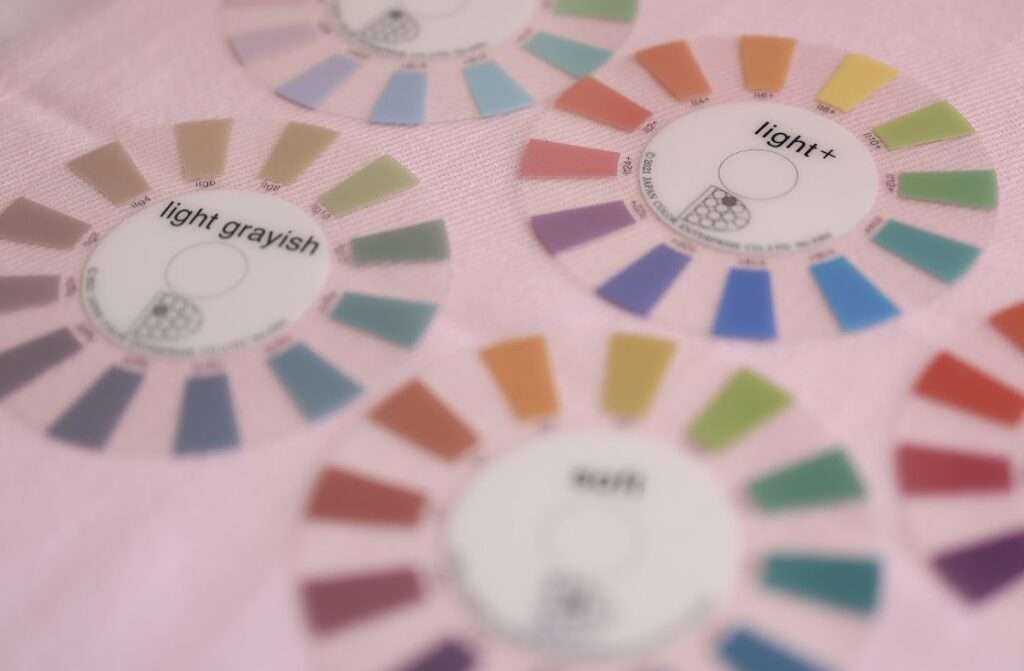
パーソナルカラー診断では、Spring、Summer、Autumn、Winterという4つのシーズンに分けて、その方に似合いやすい色の傾向を見ていきます。
この分類は、自分に似合う色を知るための、とてもわかりやすくて便利な方法です。
ただ、同じSpringの人が、全員同じ色を同じように着こなせるわけではありません。
同じWinterでも、鮮やかな色がとてもよく似合う人もいれば、深みのある落ち着いた色のほうが、その方の魅力をより引き立てることもあります。
そうした違いをさらに細かく見ていくために、4シーズンを16タイプなどに分けて診断する方法もあります。
より細かく分類することで、自分が得意とする色の特徴を詳しく知ることができる。そこは、その診断方法のよさだと思っています。
でも、分類が細かくなればなるほど、
「私はこのタイプだから、この色でないといけない」
「この色は私のタイプに入っていないから、着ないほうがいい」
と、かえって色の選択肢を狭めてしまうこともあるように感じます。
パーソナルカラー診断に興味を持つ理由も、人それぞれです。
「自分に何が似合うのかわからない」
「色を選ぶことに自信がない」
という方もいれば、
「感覚的には似合う色がわかっているけれど、本当にそれで合っているのか確かめたい」
という方もいます。
そんな方にとって、自分の魅力を引き立ててくれる色がわかることは、とても心強いことだと思います。
実際にドレープを当てていくと、
「この色、本当によく似合いますね」
という色が見つかることがあります。
ご本人にも違いをはっきり感じていただけることがありますし、私自身も「これだ」と思う瞬間があります。
そういう、その人の魅力がすっと引き立つ色が見つかることは、パーソナルカラー診断の大きな価値のひとつです。
でも、その色を「似合う色のひとつ」ではなく、
「これしか似合わない」
と受け取ってしまうと、今度は、
「それ以外の色は着てはいけないのかな」
「このシーズンの色から外れたら、似合わないのかな」
と、かえって色を選ぶことが難しくなってしまいますよね。
似合う色を知りたくて診断を受けたのに、診断を受けたことで余計にわからなくなってしまう。
それでは、少し残念です。
色には、その人の魅力を引き立てる役割だけではなく、自分が表現したい印象をつくる役割もあります。
親しみやすく見せたい日。
落ち着いて見せたい日。
少し華やかに見せたい日。
そして、ただ好きな色を楽しみたい日。
毎日、同じ印象でいる必要はありません。
肌の色、髪の色、瞳の印象、顔立ち、雰囲気。
そして、その人が好きな色や、どのように見られたいのか。
洋服なら、同じ色でも素材やシルエットによって印象は変わりますし、アクセサリーやメイクの選び方でも、また違った見え方になります。
人は一人ひとり違います。
だから私は、シーズンはその人を決める答えではなく、自分の色を知るための入口だと考えています。
診断で見つかった色を、
「これしか似合わない」
という答えではなく、これから色を選んでいくためのひとつの軸として使ってほしい。
たとえば、似たような色の服を前にして、
「どちらを買おうかな」
と迷ったときには、自分のシーズンを参考にして選ぶのもいいと思います。
でも、その軸を持ちながら、好きな色や、なりたい印象をつくる色も楽しんでほしい。
パーソナルカラー診断は、使える色を制限するためのものではなく、色の楽しみ方を広げるためのものだと考えています。
Your Colors Can’t Be Defined by Just One Season
“Your colors aren’t defined by just one season.”
Even after learning about personal color, I still come back to the same conclusion.
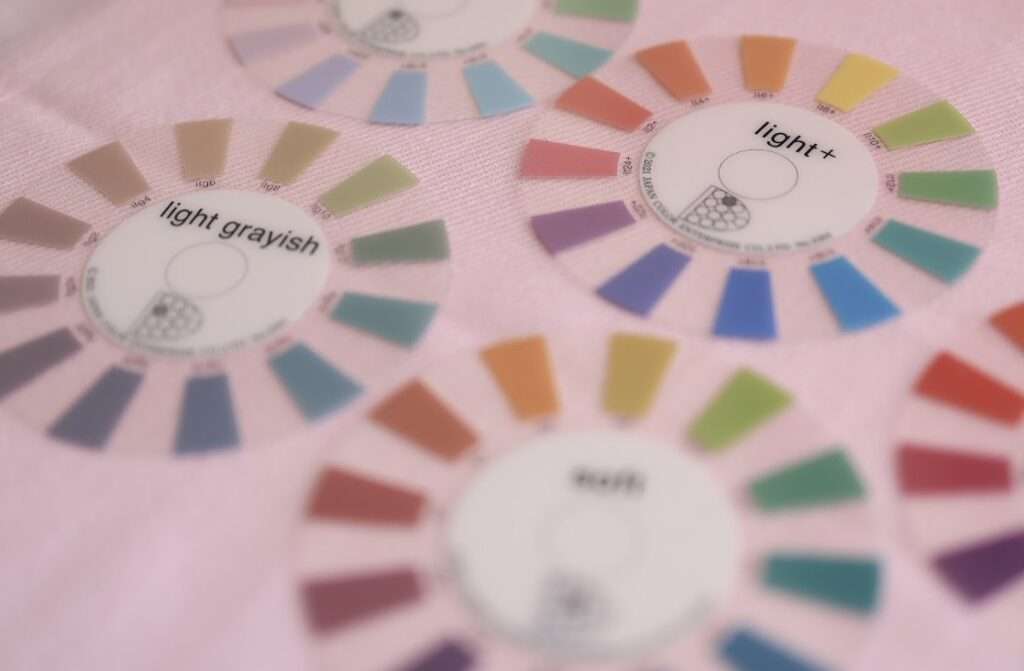
In fact, the more I learn, the more colors I work with, and the more people I talk to, the more strongly I feel this way.
In personal color analysis, we generally look at four seasons: Spring, Summer, Autumn, and Winter. These categories help us understand the kinds of colors that are more likely to complement someone naturally.
It is a simple and useful way to begin figuring out which colors work well for you.
But not every Spring looks equally good in exactly the same colors.
And even among Winters, some people really come alive in bright, vivid shades, while others look more striking in deeper, more understated colors.
To explore those differences in more detail, there are also systems that divide the four seasons into 16 types or other smaller categories.
That kind of detailed analysis can be helpful because it gives you a clearer understanding of the specific qualities in color that tend to suit you best.
At the same time, the more detailed the categories become, the easier it can be to start thinking:
“I’m this type, so I have to wear these colors.”
“This color isn’t part of my type, so I probably shouldn’t wear it.”
And before you know it, something that was meant to help can begin to make your choices feel smaller.
People become interested in personal color analysis for all kinds of reasons.
Some say,
“I don’t know what looks good on me.”
“I’m not confident choosing colors.”
Others already have a sense of what works for them, but want to know whether that instinct is actually right.
For someone who feels that way, discovering colors that naturally bring out their best features can be incredibly reassuring.
As we work through the drapes, there are sometimes colors that make us stop and say,
“This one really looks wonderful on you.”
The difference can be obvious to the client, too, and there are moments when I find myself thinking, “Yes, that’s it.”
Finding a color that brings out someone’s features so naturally is one of the real benefits of personal color analysis.
But if that color is seen not as one of the colors that suits you, but as the only kind of color you can wear, a new set of questions can begin:
“Does that mean I shouldn’t wear anything else?”
“If a color isn’t part of my season, does that mean it won’t look good on me?”
Then choosing colors can actually become more difficult than it was before.
You came for an analysis because you wanted more clarity, but somehow you leave feeling even less sure about what to choose.
That would be such a shame.
Color does more than flatter your natural features. It also helps you create the impression you want to express.
Some days, you may want to seem warm and approachable.
Some days, calm and composed.
Some days, a little more polished or glamorous.
And some days, you may simply want to wear a color because you love it.
You don’t have to present exactly the same version of yourself every day.
Your skin tone, hair color, eyes, facial features, and overall presence all play a part.
So do the colors you love and the way you want others to see you.
With clothing, even the same color can feel completely different depending on the fabric or silhouette. Accessories and makeup can shift the overall impression again.
Every person is different.
That is why I see your season not as a final answer that defines you, but as a starting point for understanding your colors.
I hope you will use the colors you discover through an analysis not as a rule that says,
“These are the only colors I can wear,”
but as a helpful reference for making future choices.
For example, when you are standing in front of two similar colors and wondering,
“Which one should I buy?”
that may be a good time to let your season guide you.
But even with that guide, I still hope you will enjoy the colors you love and the colors that help you create the impression you want.
I believe personal color analysis should expand the way you enjoy color—not limit the colors you feel allowed to wear.