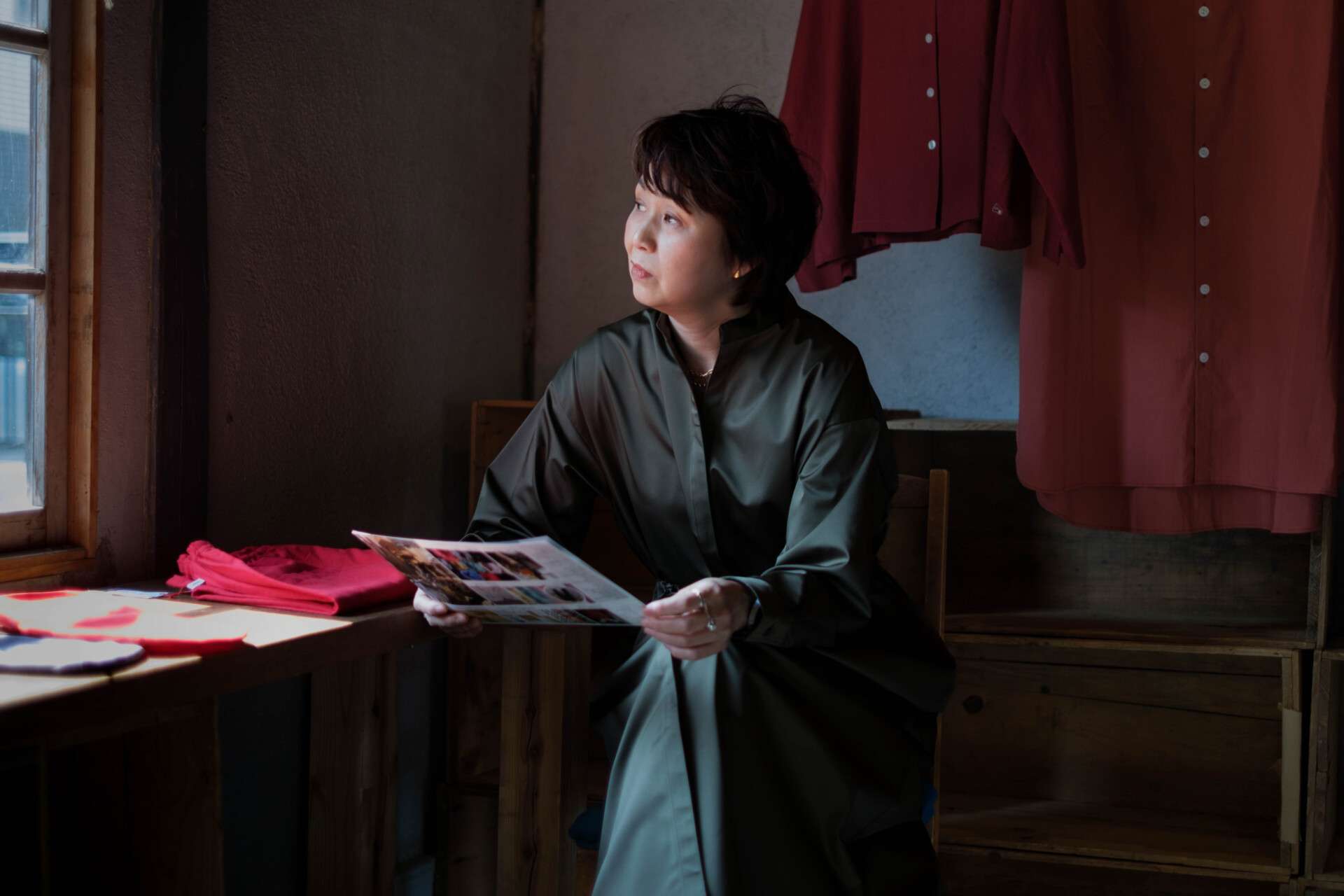
Tokiko Shima
Career & Global Insights
My professional career was based primarily in the United States, with graduate studies in Scotland. Over nearly 30 years, I worked in multicultural, international business environments, including management roles within global organizations.
During this time, I worked from both headquarters and subsidiary perspectives. In the United States, I managed and supported foreign subsidiaries across Asia, Europe, and South America, and I have also worked within subsidiary organizations reporting directly to headquarters. This experience gave me a practical understanding of the pressures and constraints on both sides of the relationship.
Across regions and organizations, I repeatedly observed that issues attributed to performance or capability were often rooted in misaligned assumptions — how decisions are made, how responsibility is understood, and how much context is expected to be shared or inferred.


Cross-Cultural Decision-Making in Practice
Across different countries and organizational cultures, I repeatedly observed the same pattern: when communication breaks down, it is rarely due to language ability alone.
More often, misalignment stems from differences in how meaning is implied, how responsibility is interpreted, and how decisions are expected to be made. These gaps tend to remain invisible until they begin to slow execution, create internal frustration, or damage trust with partners and clients.
Understanding these dynamics — and addressing them early — is critical for companies operating across borders.
Operating in Japan —
Real-World Challenges
After relocating to Japan in 2021, I began working closely with the realities faced by foreign companies operating here. These include indirect communication norms, expectations of “reading the air,” hierarchical organizational structures, and the frequent gap between what is verbally expressed and what is actually understood or expected.
For companies accustomed to more explicit, direct communication styles, these differences can quietly create friction — slowing decision-making, increasing internal stress, or weakening relationships with local stakeholders.
My role is not to “localize” clients into becoming Japanese, nor to judge one approach as superior to another. Instead, I help identify where assumptions differ, clarify expectations on both sides, and translate intent into forms that function effectively within the Japanese business environment.


Perception, Communication, and Nonverbal Messaging
Alongside my business consulting work, I studied personal color theory through Color Lifelong Education (CLE), a nonprofit organization dedicated to color education in Japan.
While often associated with fashion or styling, this framework is fundamentally about perception: how individuals are seen, how messages are received, and how nonverbal elements influence trust and credibility.
In business contexts — particularly cross-cultural ones — these factors affect leadership presence, client relationships, and brand impression. I use this framework selectively, not as a lifestyle service, but as an analytical tool to support communication clarity and perception management where it adds value.
Why Authentic Hues
Authentic Hues was founded to provide practical, grounded support for foreign companies that find themselves “doing everything right” on paper, yet struggling with progress, alignment, or momentum in Japan.
This includes:
- Companies already established in Japan seeking to reach the next stage of growth
- Overseas companies preparing for market entry and aiming to avoid early structural mistakes
- Executives and teams navigating cross-cultural communication challenges internally or with Japanese counterparts
Rather than offering generic advice, I work alongside clients to clarify strategy, communication, and positioning — helping them make informed decisions, reduce unnecessary friction, and build a foundation for sustainable operations in Japan.