
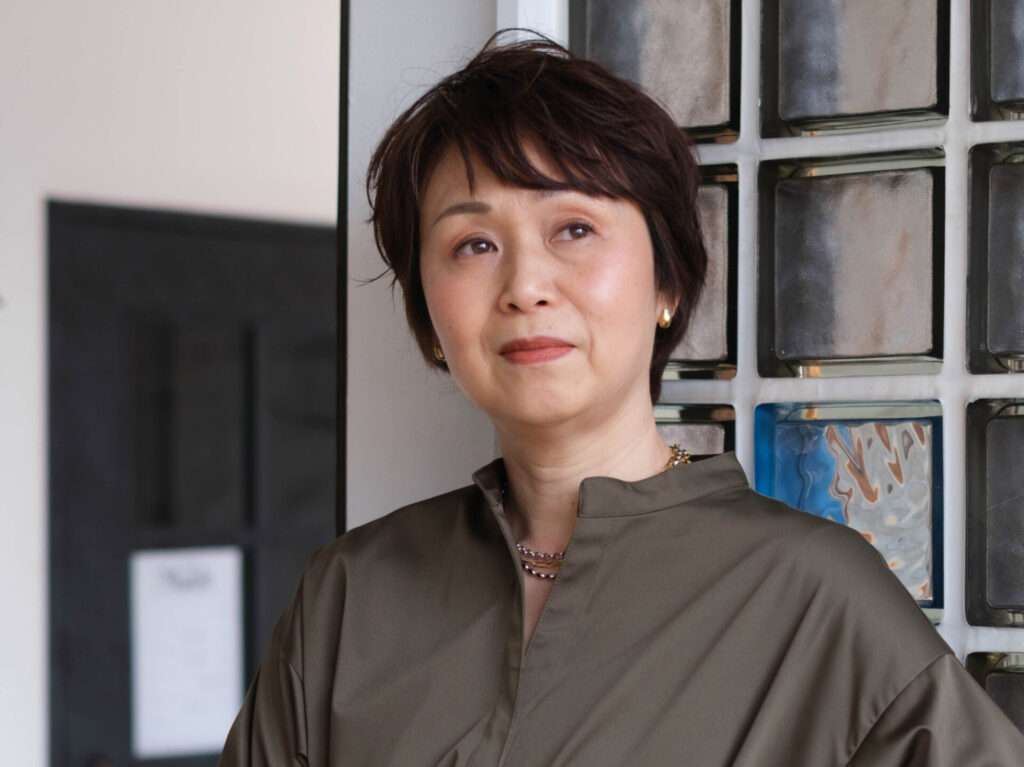
ABOUT TORIE
Finding what feels like you,
through color.
Personal color is not about fitting yourself into a box. I use color as a practical way to help you understand what naturally suits you, while also considering your style, preferences, and how you want to express yourself.
Tokiko (Torie) Shima
MY STORY
A little about me, and color
My experiences living in Japan, the United States, and Scotland—and working with people from many different cultural backgrounds—have shaped the way I think about color, individuality, and communication.
A little about me
I was born in Japan and lived in the United States for about 35 years. I also spent one year in Edinburgh, Scotland. Over the years, I called several places home, including San Diego, San Francisco, Las Vegas, and Edinburgh.
Through my work, I met people from many different countries and cultural backgrounds. I often saw how the same situation could be understood very differently depending on someone’s experiences, values, and environment.
I now live in Hirakata, Osaka, where I run Authentic Hues.
How color became part of my story
I became interested in color after returning to Japan.
I had never really noticed it when I visited Japan as a traveler. But once I began living here again, I realized how often I saw black, navy, and gray in everyday clothing, especially on commuter trains.
At the same time, I saw people happily wearing their favorite artist’s or character’s color and collecting items in that color. It made me think, “People really do love color.”
Color can change how we look, but it can also lift our mood and create connections between people. That realization made me want to learn more.
WHAT I LEARNED FROM COLOR
What I discovered through color
When I first began studying color, I thought personal color was mainly about finding the shades that suit someone. The more I learned, however, the more I realized that color also affects how we feel, how others see us, and how we communicate.
It is not only about flattering colors
Color is not just for fashion or makeup. The colors we wear can lift our mood, help us feel calmer, and influence the impression we give to others.
That is why I do not want a personal color session to end with simply telling someone their season. I want to help each person think about how those colors can actually fit into their everyday life.
We do not all see color in the same way
Through studying color, I learned that the same color can look or feel different to different people. Something that seems obvious to me may not look the same to someone else.
I think this applies not only to color, but also to the way people see the world. Color has given me another way to think about diversity and communication.
WHAT I VALUE
What matters to me
I want color to help people understand themselves and make choices with more confidence—not become another set of rules they feel they have to follow.
Not putting people in a box
Personal color is not about being told that you can only wear certain colors.
I do not think you need to give up the colors you love or the style you have built over the years.
Your results can be useful guidance, but what matters most is finding a way to use them that feels comfortable and makes sense to you.
Using color as a starting point
Color can sometimes help us notice things about ourselves: “I really like this color,” or “I’m drawn to this kind of mood.”
The name Authentic Hues reflects my hope that people can recognize and appreciate the qualities they already have, rather than trying to become someone else.
I would be happy if color gives you a reason to pause, think about what you like, and see yourself a little differently.
GLOBAL PERSPECTIVE
What I learned across cultures
Living in Japan, the United States, and Scotland—and working with people from many different backgrounds—taught me that communicating well is about more than speaking the language perfectly.
Speaking English and being understood
I have met people who spoke English fluently but still found it difficult to communicate what they really thought or felt.
I have also seen people build strong relationships with international colleagues and clients while using simple English or translation tools.
Those experiences taught me that speaking English well and truly connecting with someone are not always the same thing.
Expressing yourself in your own way
The people who communicated well usually understood what mattered to them and made an honest effort to express it in their own words.
Perfect English is not always necessary. Having your own point of view, listening to the other person, and trying to understand each other can communicate a great deal.
For me, color and communication are connected by the same idea: understanding yourself and finding a way to express who you are.
EXPERIENCE & LEARNING
My background and learning
My professional experience and continued study of color both shape the way I approach each session.
Learning about color
I studied personal color through Color Lifelong Education (CLE) and earned Level 1 and UC-level qualifications through Japan’s Color Certification Exam.
Learning about Universal Color also helped me better understand differences in color perception and how color can be used in ways that are easier for more people to recognize and understand.
Professional and international experience
I lived in the United States for about 35 years and spent one year in Edinburgh, Scotland. I also worked in international and NASDAQ-listed companies in finance, human resources, and project management.
My experience working with people from different cultures and perspectives continues to influence both my personal color sessions and communication support.
LET’S CONNECT
Let’s talk about color.
If you are curious about personal color or would like to know more about sessions in English, please feel free to get in touch.