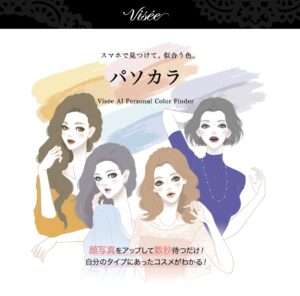
映画の中の色の話と、枚方映画祭のこと
 Tokiko Shima
Click here for the English version.
映画と色には、とても強い関係があります。
大学時代、General Education(一般教養)の授業でArt系のクラスを履修する必要があり、
私は映画のクラスを選びました。
そのとき特に印象に残っているのが、「色がシーンの印象を操作する」という考え方でした。
映画の中では、色は単なる装飾ではありません。
たとえば赤が画面に入るだけで、観ている側は無意識のうちに緊張感や危険の気配を感じます。
こうした演出は意図的に使われていて、Subriminal(潜在的)に感情へ働きかけています。
また、Mise-en-Scène(ミザンセーヌ)と呼ばれる画面構成の中では、光の使い方も重要な役割を果たします。
そもそも色は光によって見えています。
つまり映画における色は、
空間、人物、感情、
ストーリーを静かにつなぐ要素として機能しているのです。
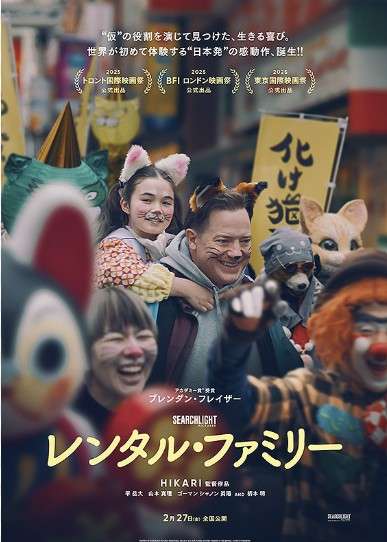
最近観た映画『レンタルファミリー』では、監督のHikariさんがインタビューの中で、色の変化とキャラクターの心境の変化を並行させて表現していったと語っていました。
物語の進行に合わせて画面の色が少しずつ変化していくことで、
観客は説明されなくても登場人物の内面の変化を自然に感じ取ることができます。
こうした表現を見ると、改めて「色は感情を伝える言語のひとつ」だと感じます。
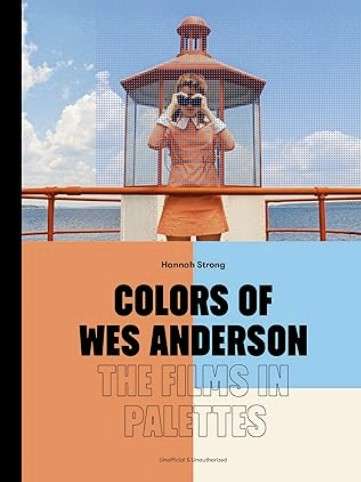
最近は、Wes Anderson監督の作品の色彩をまとめた
Colors of Wes Anderson: The Films in Palettes という本も気になっています。映画の中で色がどのように意図的に使われているのかを見ていくと、色の役割の奥深さを改めて感じます。
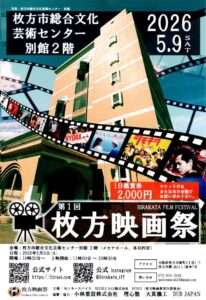
今回、枚方で映画祭が初めて開催されると知り、とても楽しみにしています。
これから国際的な映画祭へと発展していこうとしている主催者の思いにも強く共感していますし、枚方という場所が映画を通して多くの人に知られていくのは本当に素敵なことだと思います。
映画を観るとき、少しだけ色にも注目してみると、
これまでとは違った楽しみ方が見えてくるかもしれません。
色は、物語のもうひとつの語り手です。
そして映画の中で色が印象をつくるように、
私たちの日常でも色は自分らしさや信頼感を静かに伝えています。
今回の映画祭が、枚方という場所で新しい文化の広がりにつながっていくことを楽しみにしていますし、こうした取り組みを知るきっかけとして、ぜひ足を運んでみる方が増えたらうれしいなと思っています。
私自身も、これからどんな映画祭になっていくのか、とても楽しみにしています。
枚方映画祭の主催者の方、今後国際映画祭を目指していかれると聞きました。英語でのサポートなど微力ながらお手伝いできますので、機会があればぜひお声がけください。
A Note on Color in Film — and the Hirakata Film Festival
Color and film have a very strong relationship.
When I was in college, I had to take an arts course as part of my General Education requirements,
and I chose a film class. One idea from that class stayed with me ever since:
color can shape how we experience a scene.
In film, color is never just decoration.
For example, when red appears in a frame, we often feel tension—or a quiet sense that something may be about to happen—even if we are not consciously aware of why.
This kind of effect is intentional.
Color works on us at a subtle, almost subconscious level.
In what is called mise-en-scène—the visual composition of a scene—lighting also plays an essential role.
After all, we only see color because of light.
So in film, color quietly connects space, characters, emotions, and story.
Recently, when I watched Rental Family, director Hikari spoke in an interview about how shifts in color were used alongside changes in the characters’ emotional states.
As the story progresses, the color palette gradually evolves.
Without needing explanation, viewers begin to sense those inner changes naturally.
Moments like this remind me that color is one of the languages film uses to communicate with us.
I was also recently intrigued by a book titled Colors of Wes Anderson: The Films in Palettes, which looks at how color is used so intentionally throughout his films. It reminded me how powerfully color can shape the way we experience a story.
I was also very happy to hear that Hirakata will be hosting its first film festival.
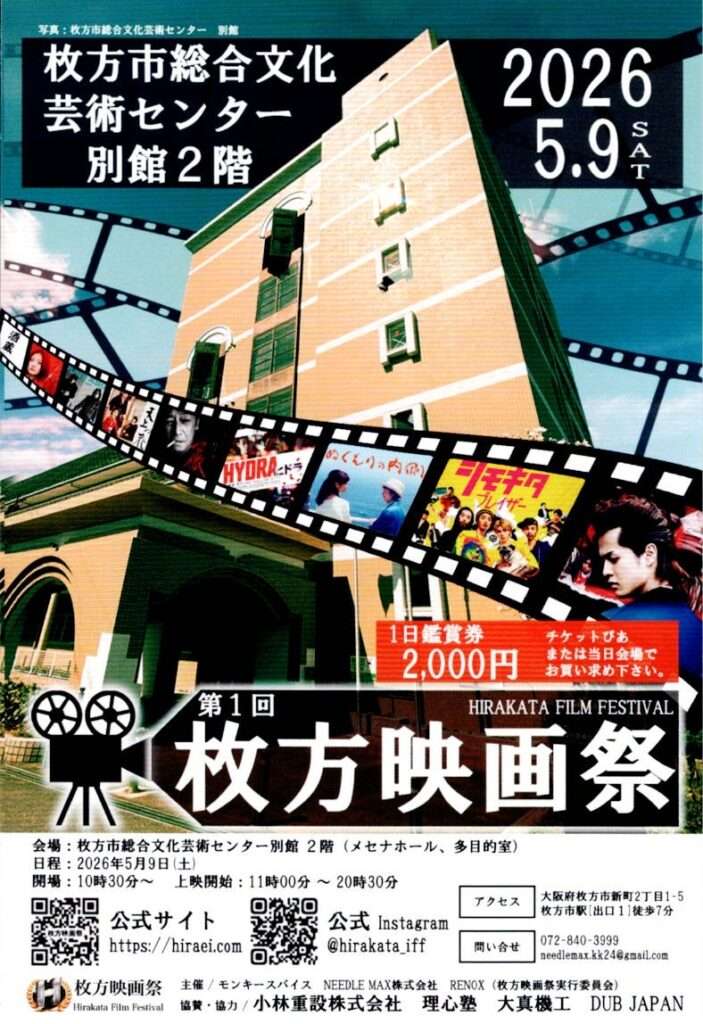
I truly admire the organizers’ vision of developing it into an international festival over time.
It is exciting to imagine Hirakata becoming more widely known through film and cultural exchange like this.
Next time you watch a movie, you might try paying a little attention to the colors on screen.
You may start noticing things you hadn’t before.
Color is another storyteller.
And just as color shapes impressions in film, it quietly communicates who we are—and how we are perceived—in everyday life as well.
I am looking forward to seeing how this festival grows and contributes to the cultural life of Hirakata. I hope more people will take the opportunity to visit and experience it.
Personally, I am excited to see what it becomes in the years ahead.
And to the organizers of the Hirakata Film Festival—since I understand you are planning to develop this into an international festival in the future, I would be very happy to help with English-language communication if that ever becomes helpful. Please feel free to reach out!